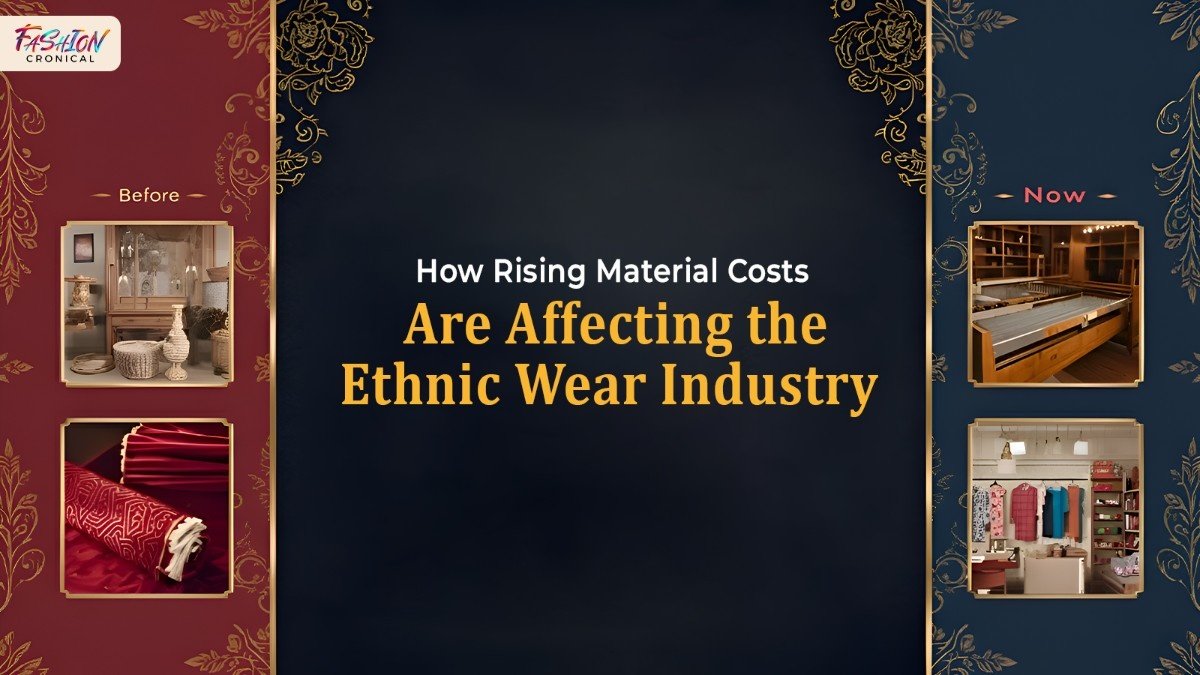
Ethnic wear is deeply rooted in culture, craftsmanship, and textile traditions. From handwoven sarees and rich silk lehengas to embroidered kurtas, every piece relies heavily on raw materials such as cotton, silk, zari, dyes, and blended fibres. When the prices of these materials rise, the entire chain feels the pressure — from weavers and artisans to manufacturers, designers, retailers, and finally, the consumer.
Below is a detailed, simplified, and professional breakdown of what’s causing costs to rise, how it’s impacting the ethnic-wear industry, and what businesses are doing to adapt.
Table of Contents
ToggleWhat’s Driving the Increase in Material Costs?
1. Raw Fiber Volatility
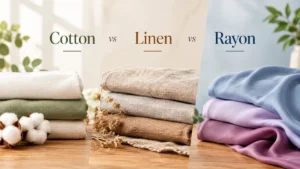
Cotton and silk prices fluctuate due to weather changes, supply shortages, government policies, and global demand. Cotton forms a major part of the Indian textile basket, so even slight price changes affect every stage of production.
2. Rise in Synthetic & Blended Yarn Prices
Polyester and blended fibres depend on crude oil and petrochemicals. When global fuel prices rise, yarn and fabric prices follow.
3. Higher Prices for Dyes, Embellishments & Zari
Dyes, metallic threads, embroidery elements, beads, and trims have become more expensive due to higher energy, manufacturing, and import costs.
4. Labour, Energy, and Logistics Inflation
Electricity, fuel, processing charges, and labour wages have increased steadily—raising conversion costs for mills, dye houses, and small artisans.
5. Policy Changes & Import Duties
Changes in taxes, duties, and textile policies directly affect fabric procurement and production costs.
Direct Impact on the Ethnic Wear Industry
1. Retail Prices Going Up
Brands face a tough choice:
- Increase selling prices and risk losing customers or
- Absorb the cost and reduce profit margins
Most brands are doing a mix of both depending on their customer segment.
2. Smaller Collections & Reduced Variety
To manage costs, brands are minimizing experimental designs and releasing smaller but safer collections with proven bestsellers.
3. Substitution of Materials
To maintain price points, brands are making changes like:
- Replacing pure cotton with poly-cotton blends
- Reducing the quantity of zari
- Using machine embroidery instead of handwork
While this helps control costs, it may impact authenticity and product richness.
4. Decline in Quality in Budget Segments
Lower GSM fabrics, basic linings, and minimal finishing have become common in low to mid-range ethnic wear to maintain affordability.
5. Pressure on Artisans & Handloom Clusters
Artisans work with very low margins. Rising yarn and material costs make it harder for them to sustain production, affecting handloom output and traditional craft continuity.
Secondary Effects on the Market
A. Change in Consumer Buying Behaviour
Shoppers compare prices more aggressively online. Rising costs push them toward discounts, fast-fashion alternatives, or budget-friendly brands.
B. Impact on E-commerce & Retail
Online platforms are competitive, so brands cannot increase prices freely. Physical stores struggle to maintain inventory variety without increasing shelf prices.
C. Export Challenges
Higher domestic material costs reduce competitiveness in international markets, especially when buyers demand fixed pricing.
Who Is Most Affected?
- Small handloom artisans
- Low-budget ethnic-wear manufacturers
- Brands operating in tier-2 and tier-3 markets
- Export-focused ethnic designers who rely on fixed-cost contracts
How Brands & Artisans Are Adapting
1. Smarter Design & Value Engineering
- Reducing unnecessary embellishments
- Optimizing fabric cutting to reduce wastage
- Introducing detachable accessories (stoles, dupattas)
2. Clear Storytelling & Transparency
Explaining the value of handloom, artisan craft, and material quality helps premium buyers accept higher pricing.
3. Diversified Sourcing
Brands are mixing different fibres, exploring alternative suppliers, and negotiating long-term contracts.
4. Demand-Led Production
- Pre-orders
- Made-to-order pieces
- Limited edition drops
These reduce dead stock and save working capital.
5. Fewer but Stronger SKUs
Brands are reducing their catalogue but focusing on higher-performing designs with guaranteed sales.
6. Sustainability as a Value Add
Recycled materials, zero-waste processes, repair services, and conscious fashion initiatives help justify higher prices.
7. Artisan Support Systems
Brands are partnering with cooperatives to help weavers bulk-purchase yarn and get access to short-term financing.
Checklist for Ethnic-Wear Businesses
Before launching your next collection, consider:
- Have you tested price sensitivity in your target market?
- Which SKUs can survive a 10–15% cost increase?
- Are you overproducing low-margin designs?
- Is your story (fabric, craft, origin) clearly communicated online?
- Are your artisans supported with stable material supply?
Long-Term Solutions for the Industry
- Investment in modern textile machinery to reduce conversion costs
- Training and digital support for artisans to improve productivity
- Policy-driven support for handloom clusters and MSME apparel units
- Better logistics and warehousing to reduce shipping costs
Final Thoughts
The ethnic-wear industry is at a turning point. Rising material costs are pushing brands to rethink their design, production, and pricing strategies. While affordability will always matter, consumers are increasingly willing to pay for transparency, craftsmanship, and quality. The brands that successfully communicate value, innovate with materials, and support their artisan networks will emerge stronger.
FAQs
Why are material costs rising in the ethnic wear industry?
Material costs are increasing due to higher cotton, silk, synthetic yarn, dyes, and logistics prices.
How do rising costs impact ethnic wear prices?
Brands either increase retail prices or absorb losses, leading to reduced margins.
Are artisans affected by rising material costs?
Yes, artisans face severe pressure as yarn and embellishment costs rise but selling prices don’t always match.
How are brands adapting to increased material costs?
Brands are using blends, reducing embellishments, switching to data-driven production, and optimizing sourcing.
Does rising cost affect product quality?
Budget ethnic wear often sees reduced GSM, fewer embellishments, and simpler finishing to keep prices stable.