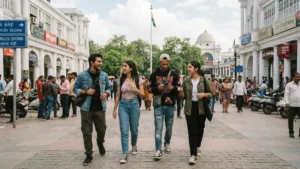
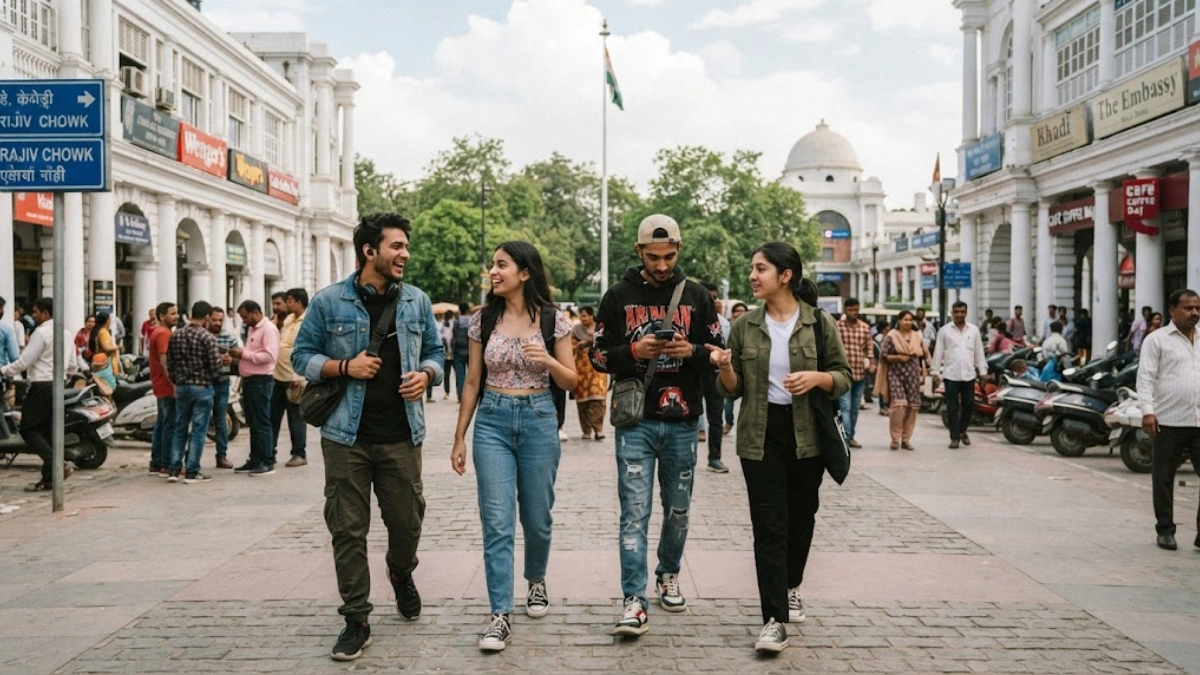
Fashion doesn’t really die — it just waits for someone to reinterpret it. In 2026, Gen Z has become the generation reviving everything millennials once swore off: low-rise jeans, chunky sneakers, boho fringe, and Von Dutch caps are all back in rotation. But this isn’t a costume-party repeat of the 2000s or the 90s. Gen Z is taking these old silhouettes and remixing them with today’s fabrics, proportions, and values — sustainability, gender-fluid fits, and thrifted individuality. Here’s a practical look at the seven old trends getting the biggest Gen Z makeover this year, and how to actually wear them without looking like you raided a time capsule.
Table of Contents
Toggle7 Old Fashion Trends Gen Z Is Bringing Back in 2026
1. Baggy Jeans Get a Modern Upgrade
Baggy jeans are arguably the anchor piece of the entire 2026 Gen Z wardrobe. What used to be a skater-culture or early-2000s staple is now showing up everywhere from TikTok “get ready with me” videos to runway-adjacent streetwear drops. Oversized hoodies, baggy “puddle” jeans, and cropped baby tees are among the key viral silhouettes this year, and retailers are treating the fit as permanent rather than a passing trend. Low-rise baggy jeans in rigid washes are now being sold as the default option rather than a niche throwback at youth-focused retailers.
The Gen Z twist: Instead of one uniform look, baggy jeans are being styled at least seven different ways — paired with butterfly tops, metallic belts, and chunky platform shoes for a Y2K-leaning outfit, or worn with a halter top and clear heels, or a velour tracksuit jacket for maximum early-2000s energy. On the sustainability end, thrifted vintage Levi’s are being mixed with earthy, bohemian pieces for an effortlessly cool look.
How to wear it: Balance the volume — pair baggy denim with a fitted or cropped top so the silhouette doesn’t swallow your frame. A structured jacket or chunky sneaker anchors the look and keeps it from reading as sloppy.
2. Vintage Denim Makes a Comeback
Distressed, faded, and patched denim — once dismissed as “your dad’s jeans” — is having a full renaissance, but the distressing itself has changed character. Where the Y2K era favored obviously intentional, maximal rips and fading rather than the naturally worn-in look of the 90s, current runway references are pulling from both eras, and Gen Z is mixing the two freely.
The Gen Z twist: Thrifting is central here. Rather than buying pre-distressed fast fashion, Gen Z is hunting genuine vintage Levi’s, Wranglers, and workwear denim at secondhand stores, prizing pieces with real history and unique wear patterns over anything mass-manufactured. This ties into a broader shopping behavior built around self-upgrade — Gen Z wants better pieces and smarter buys, which is part of why thrift shopping and vintage pieces are rising alongside interest in sustainable fabrics.
How to wear it: One statement vintage denim piece per outfit is usually enough — a worn-in jacket or jeans — paired with cleaner, more contemporary basics so the vintage piece reads as intentional rather than accidental.
3. Preppy Fashion Gets a Casual Twist
Polos, pleated skirts, argyle knits, and loafers — the old-school prep-school uniform — are back, but stripped of their stuffiness. Gen Z is borrowing the visual vocabulary of preppy dressing (crests, collars, tennis-club colors) while deliberately loosening the fit and mixing in streetwear pieces that would never have been allowed in the original preppy rulebook.
The Gen Z twist: A cardigan or polo gets tucked into wide-leg trousers or paired with chunky sneakers instead of loafers; a pleated skirt shows up with an oversized hoodie rather than a matching sweater set. The formality is deliberately broken in one place per outfit.
How to wear it: Pick one preppy anchor piece — a varsity cardigan, a collared polo, a plaid mini — and let everything else in the outfit be relaxed or streetwear-adjacent. That contrast is the whole point.
4. Y2K Fashion Gets a More Wearable Makeover
Y2K remains the single strongest nostalgia engine in Gen Z fashion right now, but it’s evolved from full-costume replication into something more like a styling toolkit. The Y2K fashion revival remains a powerhouse in 2026, with a fusion of early-2000s maximalism and modern, more sustainable fabrics. Low-rise jeans, butterfly clips, rhinestone-embellished sunglasses, chunky platform sneakers, Von Dutch-style caps, micro bags, and baby tees have all made a roaring comeback — worn with far more confidence than the original 2000s generation had.
The Gen Z twist: The defining shift is remixing, not recreating. A Y2K-era corset top gets paired with contemporary wide-leg trousers and chunky sneakers, or an early-2000s graphic tee is tucked into a modern midi skirt — the vintage piece is the anchor, and the rest of the outfit stays thoroughly current, which is what keeps it from feeling like a costume. Y2K now works more like a design toolkit than a full look, offering flexible reference points rather than a strict formula.
How to wear it: Choose one loud Y2K signifier — rhinestone sunglasses, a metallic bag, a butterfly clip — and let the rest of the outfit be modern and relatively neutral. One nostalgia piece reads as styled; five reads as a Halloween costume.
5. Boho Fashion Returns With a Modern Edge
Fringe, crochet, flowing skirts, and earthy layering are back, but softened boho romanticism has been given a harder edge this time around. This trend combines the softness of classic boho style with tougher, biker-inspired elements — think a lace skirt in pastel shades paired with a distressed leather jacket, or a soft blouse worn with biker boots.
The Gen Z twist: The pairing of delicate and rugged pieces is deliberate — a floaty boho dress with combat boots, or a crochet top under a leather jacket. It’s a rejection of the single-aesthetic dressing of the past in favor of visible contrast within one outfit.
How to wear it: Pick a soft boho base piece (a skirt, blouse, or dress) and add exactly one tougher element — boots, a leather jacket, or chunky jewelry — to keep the look from feeling like a festival costume.
6. Retro Prints and Patterns Are Back
Psychedelic swirls, checkerboard, tie-dye, and 70s-inspired florals are resurfacing across both clothing and accessories, often alongside the broader 70s fashion wave that’s riding in on the coattails of Y2K nostalgia. There was a significant 70s fashion revival throughout the original Y2K era itself, visible in flared pants, crochet, and patchwork denim, and that same reference point is resurfacing again now as designers and consumers look further back for inspiration.
The Gen Z twist: These prints are being used sparingly, as accent pieces rather than full head-to-toe patterns — a checkerboard bag, a single tie-dye tee, or one patterned accessory layered into an otherwise simple outfit, letting the pattern do the talking without overwhelming the look.
How to wear it: Treat bold prints as a single focal point in an outfit built from solid, neutral pieces — this keeps the retro pattern feeling curated instead of chaotic.
7. Chunky Shoes and Retro Footwear Return
Platform sneakers, chunky trainers, and thick-soled boots have firmly replaced the minimalist, low-profile sneaker era. Chunky platform shoes are now a standard pairing with revived Y2K silhouettes like low-rise baggy jeans and butterfly tops. Chunky platform sneakers sit right alongside rhinestone sunglasses and micro bags as one of the defining accessory comebacks of the year.
The Gen Z twist: Chunky footwear is now doing double duty across aesthetics — it shows up in Y2K-leaning outfits, in boho-meets-biker looks, and in straightforward oversized streetwear fits, making it one of the few pieces that crosses every micro-trend rather than belonging to just one.
How to wear it: Chunky shoes work best as a grounding element under an outfit with volume elsewhere — baggy jeans, a maxi skirt, or an oversized jacket. Under something already fitted, they can look disproportionate.
Why Is Gen Z Bringing Old Fashion Trends Back?
A few forces are driving this at once, and they’re not purely aesthetic:
· Algorithm-driven nostalgia. Trends today are dictated by community engagement on social platforms rather than traditional design houses, and fashion effectively moves at the speed of an algorithm — which means anything visually striking and easily referenced (like Y2K or preppy signifiers) spreads fast, regardless of when it originally peaked.
· Cultural irony and reclamation. Part of the appeal is genuinely tongue-in-cheek — Gen Z is knowingly adopting silhouettes, like skinny-leg denim, that they once openly mocked millennials for wearing, and treating that irony as part of the styling.
· Values-driven shopping. Gen Z’s shopping behavior is tied to self-upgrade — they want better pieces, smarter buys, and items that feel aligned with their personal values, which helps explain the rise of thrift shopping, vintage pieces, and demand for sustainable fabrics. Old trends, especially genuine vintage, fit naturally into an anti-fast-fashion mindset.
· Fragmented, not singular, identity. Gen Z in 2026 is characterized by DIY customization and visible mending, extreme sustainability consciousness, gender-fluid silhouettes, archival and vintage obsession, and community-driven trend cycles rather than top-down design decisions. Reviving old trends is one more way to build a personal, mixed identity instead of subscribing to one look.
How Gen Z Is Changing Vintage Fashion in 2026
The biggest structural difference from past revivals is that Gen Z treats old trends as raw material, not a template to copy exactly.
· Remix over replication. The defining feature of this revival is how thoroughly it’s being remixed — a Y2K corset gets modern wide-leg trousers, a 2000s graphic tee gets tucked into a current midi skirt — with the vintage piece acting as the anchor while everything else stays current.
· Visible repair as a style statement. Gen Z is mending everything — jeans especially, but also sweaters, jackets, bags, and even sneakers — and doing it visibly, since the more obvious the mending, the better; they’re learning techniques from TikTok tutorials, YouTube sashiko guides, and community repair workshops, and turning the repair process itself into social content.
· Gender-fluid styling. Old trends that were historically gendered (baggy jeans, chunky boots, oversized outerwear) are being worn interchangeably, without the old menswear/womenswear divide.
· Micro-trend layering instead of one aesthetic. A single person might dress “clean girl minimalist” one day and “cyber fairy grunge” the next, documenting each shift with equally earnest commitment — the aesthetic trends that used to dominate as singular movements have fragmented into dozens of coexisting, overlapping micro-trends.
Old Fashion vs. Gen Z Fashion: What’s Changed?
| Element | Original Era | Gen Z’s 2026 Version |
| Baggy jeans | Skater/hip-hop subculture staple | Everyday default, styled with fitted tops and platform shoes |
| Distressed denim | Naturally worn-in (90s) or maximal intentional rips (Y2K) | Genuine thrifted vintage mixed with runway-referenced rips |
| Preppy dressing | Formal, rule-bound uniform | Loosened fit, one preppy piece mixed with streetwear |
| Y2K accessories | Full-outfit costume replication | One or two statement pieces layered into a modern base |
| Boho style | Soft, uniformly romantic | Softness deliberately contrasted with tough, biker-inspired pieces |
| Prints and patterns | Head-to-toe pattern statements | Sparingly used as a single focal accent |
| Chunky footwear | Tied to one specific subculture look | Cross-aesthetic staple worn across Y2K, boho, and streetwear looks |
| Shopping approach | New, mass-produced pieces | Thrifted, mended, and value-driven sourcing |
How to Wear Vintage Fashion Without Looking Dated
1. Anchor, don’t replicate. Pick one standout vintage or retro piece per outfit and build the rest from modern, simple basics — this is the single biggest lesson from how Gen Z styles Y2K and preppy pieces.
2. Mix eras deliberately. Pairing a 70s-print blouse with current wide-leg trousers, or a Y2K baby tee with a modern midi skirt, reads as intentional styling rather than costume dressing.
3. Balance proportions. Oversized bottoms need fitted tops, and vice versa — this is why baggy jeans get paired with cropped tops rather than another oversized layer.
4. Let mending show. Visible stitching, patches, or repairs on denim and knitwear are treated as a feature, not a flaw — it signals authenticity over fast-fashion perfection.
5. Limit loud prints and accessories to one focal point. A single rhinestone accessory, checkerboard bag, or tie-dye piece keeps a retro-referencing outfit from tipping into overwhelm.
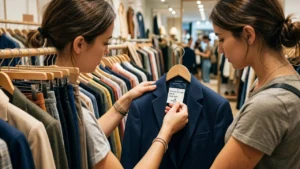
6. Shop secondhand first. Real vintage denim, band tees, and leather pieces carry a texture and fade that reproductions can’t fully copy — and it keeps the look, and the wardrobe, more sustainable.
7. Ground bold silhouettes with simple footwear or vice versa. If the outfit already has volume (baggy jeans, a maxi skirt), a cleaner shoe works better than adding another chunky element on top.
Most Popular Gen Z Fashion Trends in 2026
Beyond the seven revivals above, a few broader style movements are running in parallel:
· Oversized streetwear as the default uniform. Baggy hoodies, wide-leg cargo pants, boxy graphic tees, relaxed track jackets, and chunky sneakers together form what’s become the de facto “Gen Z uniform,” not just a passing phase.
· Gorpcore and functional outdoor wear. Streetwear meeting athleisure, plus “Gorpcore” — technical, function-first outdoor clothing repurposed as everyday fashion — is one of the core aesthetics defining the year.
· Quiet luxury. Neutral tones, tailored silhouettes, and logo-free pieces continue as a counter-movement to maximalist trends, often worn by the same person on a different day.
· Indie sleaze. The 2000s-2010s indie music scene look — messy, deliberately undone styling, skinny jeans making a controversial comeback, vintage band tees, and leather jackets — is resonating as nostalgia for a pre-social-media era, even among Gen Z who didn’t live through it firsthand.
· Tech-minimal futurism. An evolution of Y2K nostalgia into a sleeker, forward-looking minimalism — monochrome, architectural, with subtle tech elements, closer to “modern minimalist design meets sci-fi costuming” than the maximalist original Y2K look, and largely a reaction to maximalism fatigue.
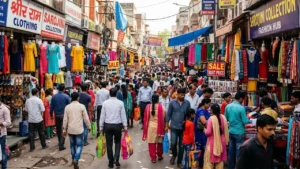
· Sustainability and thrifting as a baseline expectation. Gen Z fashion in 2026 is built on self-expression, comfort, and individuality rather than strict trend-following, with a strong underlying preference for secondhand shopping running through nearly every aesthetic. If you are in nearby Delhi then you can try Sarojni Nagar market also for affordable trendy dresses. Explore below video by Shilpa Yadav vlogs to know more:
Our Opinion
What makes this round of revivals genuinely different from past nostalgia cycles is that Gen Z isn’t trying to recreate a decade — they’re treating fashion history as an open archive to sample from. The smartest looks in 2026 borrow one loud signifier from an old trend and let modern proportions, fabrics, and mending do the rest of the work. If you’re building out your own wardrobe around any of these seven trends, the practical takeaway is consistent across all of them: commit to one clear reference point per outfit, keep everything else current, and don’t be afraid to buy secondhand — it’s cheaper, more sustainable, and honestly closer to how this whole revival started in the first place.
Frequently Asked Questions
Why are Gen Z fashion trends bringing back styles from the 90s and 2000s?
Trend cycles now move at the speed of social media algorithms rather than traditional fashion houses, so visually distinct old trends resurface quickly once they start gaining traction online, combined with genuine nostalgia, cultural irony, and a values-driven preference for thrifted and vintage pieces.
Is Y2K fashion still trending in 2026?
Yes, and strongly. The Y2K revival remains a powerhouse, now fused with more sustainable fabrics rather than the cheap materials of the original era, and it functions more like a flexible design toolkit than a strict costume to replicate exactly.
How can I wear baggy jeans without looking sloppy?
Pair them with a fitted or cropped top to balance the volume, and add a structured piece — a jacket, belt, or chunky shoe — to give the outfit definition rather than letting it read as shapeless.
What’s the difference between how millennials and Gen Z wear the same old trends?
Gen Z tends to remix rather than replicate — combining one vintage or retro piece with otherwise modern basics, mending visibly instead of hiding wear, and mixing genders and aesthetics freely rather than following one uniform look per era.
Are chunky shoes still in style in 2026?
Yes — platform sneakers and thick-soled boots remain one of the most consistent cross-aesthetic staples, showing up in Y2K, boho, and streetwear-inspired outfits alike.
Is thrifting a big part of these fashion revivals?
Very much so. Genuine secondhand and vintage pieces are prized over mass-produced reproductions, both for authenticity and for aligning with Gen Z’s broader sustainability values.
What’s the easiest old trend to start incorporating into my wardrobe right now?
Vintage or well-fitted baggy denim is the easiest entry point — it pairs with almost every other trend on this list, from boho to preppy to Y2K, and works as a foundation piece you can restyle repeatedly.